

Heat Therapy
THE POWER OF HEAT.
Heat therapy is one of the most enjoyable ways to bring your body to rest after a busy day or a heavy training session. Just a quarter of an hour in the heat gives both your recovery and your mind some room to breathe.
This is heat therapy
Heat therapy means consciously exposing your body to heat, usually in a sauna. Depending on the type, the temperature ranges from around 45 to 60 °C in an infrared sauna to 70 to 100 °C in a Finnish sauna. Which type suits you depends on your experience, your health and your goal. The heat sets off a chain of reactions in your body: your blood vessels widen, your heart rate rises and your circulation increases, similar to light exercise. For athletes and busy people, it's an accessible way to make recovery and relaxation part of the week.
"Performance is built during recovery"

science
WHAT HEAT THERAPY DOES TO YOUR BODY
As soon as you're in the heat, your blood vessels widen and your heart rate rises. Your circulation increases and you start to sweat to regulate your core temperature. The heat acts as a mild, manageable stressor: your body produces heat shock proteins that help repair muscle tissue. When you step out and cool down, your nervous system shifts toward the parasympathetic ("rest and recover") state, which benefits relaxation and sleep.
Widens your blood vessels and boosts circulation

Raises your heart rate, similar to light exercise

Activates heat shock proteins that support your muscle recovery

Shifts your system into rest-and-recover mode afterwards

Loosens stiff muscles and relaxes your mind
Korte omschrijving van deze feature.

When should you use heat therapy?
Watch out around intense cardio: don't combine heat right before a heavy effort, your system will already have been working hard. Save it for afterwards or later in the day.
POST-WORKOUT
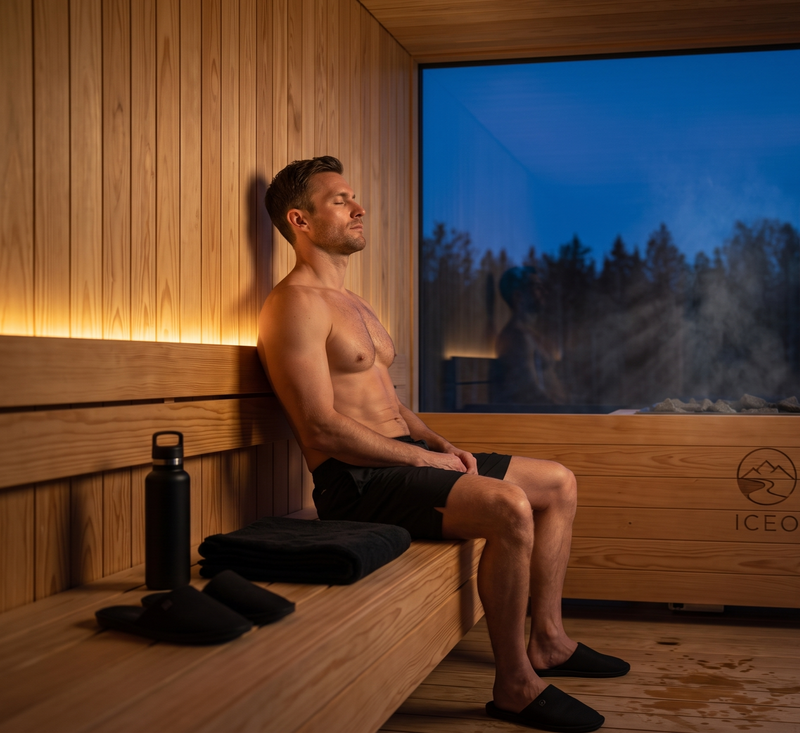
Heat doesn't slow down your muscle recovery the way cold can, so after a strength session the sauna is a great choice.

RESET YOUR SYSTEM
To relax and support your sleep, thanks to the cooldown after the session.
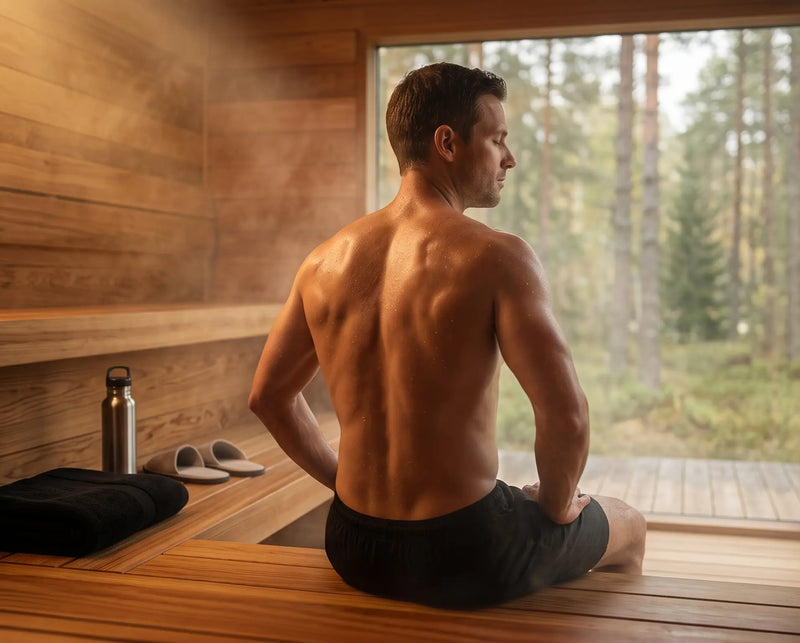
RECOVER & RECHARGE
To loosen stiff muscles and clear your mind.
Why athletes choose heat therapy

ICEO Recovery
Heat therapy at home, without the hassle
No waiting list at the spa and no hassle. An ICEO sauna is ready whenever you want it, whether you choose the deep heat of a Finnish sauna or the gentler warmth of infrared.
Choose your sauna
Not every sauna suits every athlete. Choose a model that matches your space, your recovery routine and the way you like to relax. From compact infrared saunas to spacious outdoor saunas: there's always an ICEO that fits you.



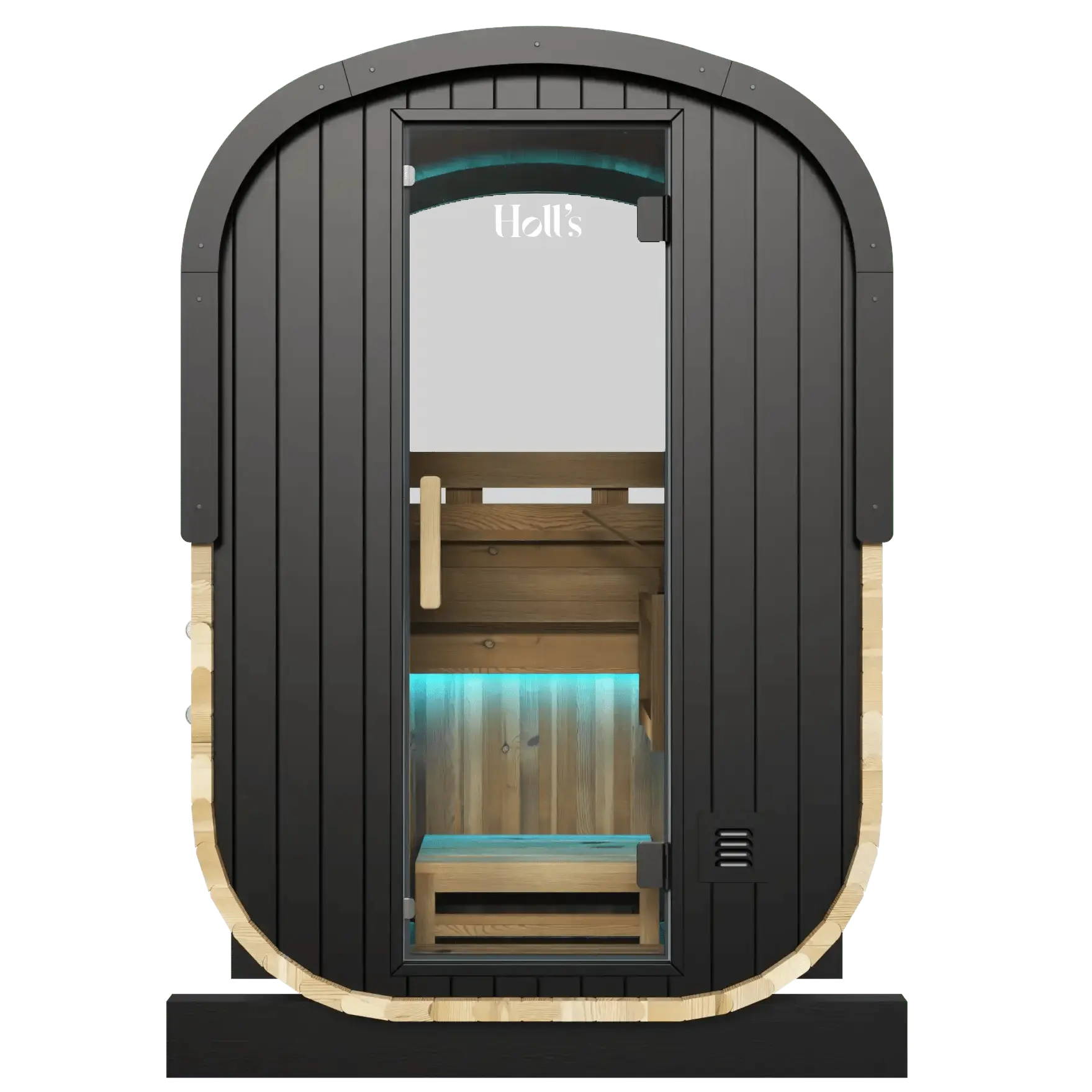
ICEO Finnish Outdoor Sauna – Cocoon

ICEO Finnish Outdoor Sauna – Orphée

ICEO Finnish Outdoor Sauna – Hestia
Frequently asked questions about heat therapy
Is heat therapy safe for beginners?
Yes. Heat therapy is safe for most healthy adults. Start with a session of 10 to 15 minutes at a comfortable temperature and build this up gradually as your body gets used to it. Always listen to your body and drink enough fluids.
What temperature is best for a sauna?
That depends on the type of sauna and your goal.
- Infrared sauna: usually between 40 and 60°C for deep, even heat.
- Finnish sauna: usually between 70 and 90°C for a more intense heat experience.
Choose a temperature that feels comfortable and matches your experience.
When is the best time to use heat therapy?
That depends on your goal.
- After a light or moderate training session to relax.
- In the evening to bring body and mind to rest.
- On a rest day to loosen stiff muscles.
- Avoid a hot sauna right before an intense training session or competition.
What are the benefits of heat therapy?
Regular sauna use can contribute to:
- Relaxation and less stress.
- Better circulation.
- Support for muscle recovery.
- Less stiffness in muscles and joints.
- A better night's sleep.
- A fixed recovery moment in your daily routine.
Which sauna suits me best?
That depends on your preferences.
- Infrared sauna: ideal for frequent sessions, targeted heat and daily recovery.
- Outdoor sauna (Finnish sauna): perfect for a more intense heat experience and contrast therapy combined with an ice bath.
Not sure? Our team is happy to help you choose the sauna that suits your space, goals and recovery routine.
Verder lezen
Sources
The information on this page is based on scientific research into heat therapy and sauna use:
- Laukkanen, T. et al. (2015). Association Between Sauna Bathing and Fatal Cardiovascular and All-Cause Mortality Events.
- Hussain, J. & Cohen, M. (2018). Clinical Effects of Regular Dry Sauna Bathing: A Systematic Review.
- Patrick, R. & Johnson, L. (2021). Sauna Use as a Lifestyle Practice to Extend Healthspan.
- Scoon, G. et al. (2007). Effect of post-exercise sauna bathing on endurance performance.
- Crinnion, W. (2011). Sauna as a valuable clinical tool for cardiovascular, autoimmune and toxicant-induced health problems.