

Cold Water Therapy
Recover harder
perform better
Cold water therapy is one of the simplest ways to reset your body after exercise. A few minutes in cold water and you give your recovery a push in the right direction.
This is cold water therapy
Cold water therapy means consciously exposing your body to cold water, usually between 2 °C and 15 °C. The right temperature depends on your experience, health and goal. The best-known form is immersion in an ice bath, but a cold shower counts too. The cold sets off a chain of reactions in your body: your blood vessels narrow, your heart rate drops and your nervous system switches to recovery mode. For athletes, it is a low-threshold way to make recovery part of the daily routine.
"Cold is a stressor, so if you are able to get into the cold and control your body's response to it, you will be able to control stress."

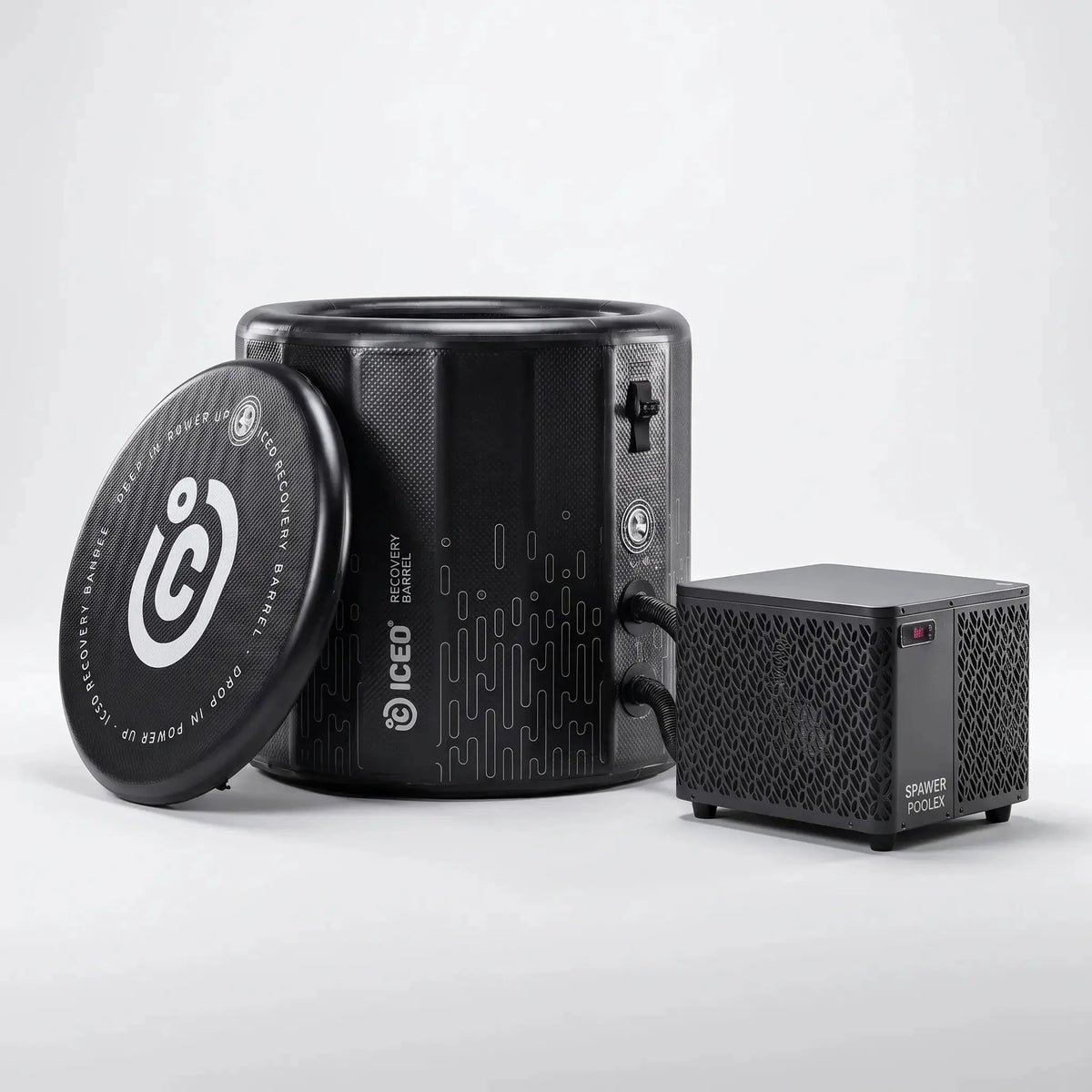
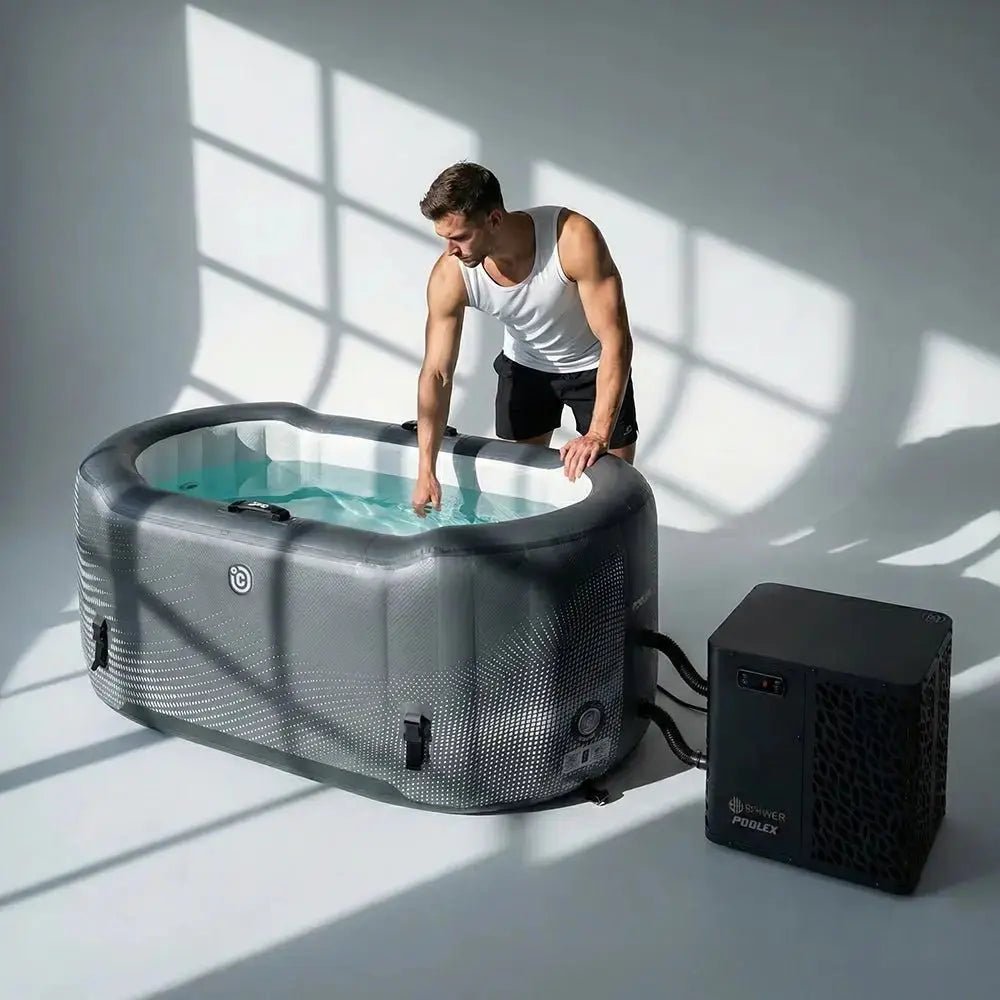
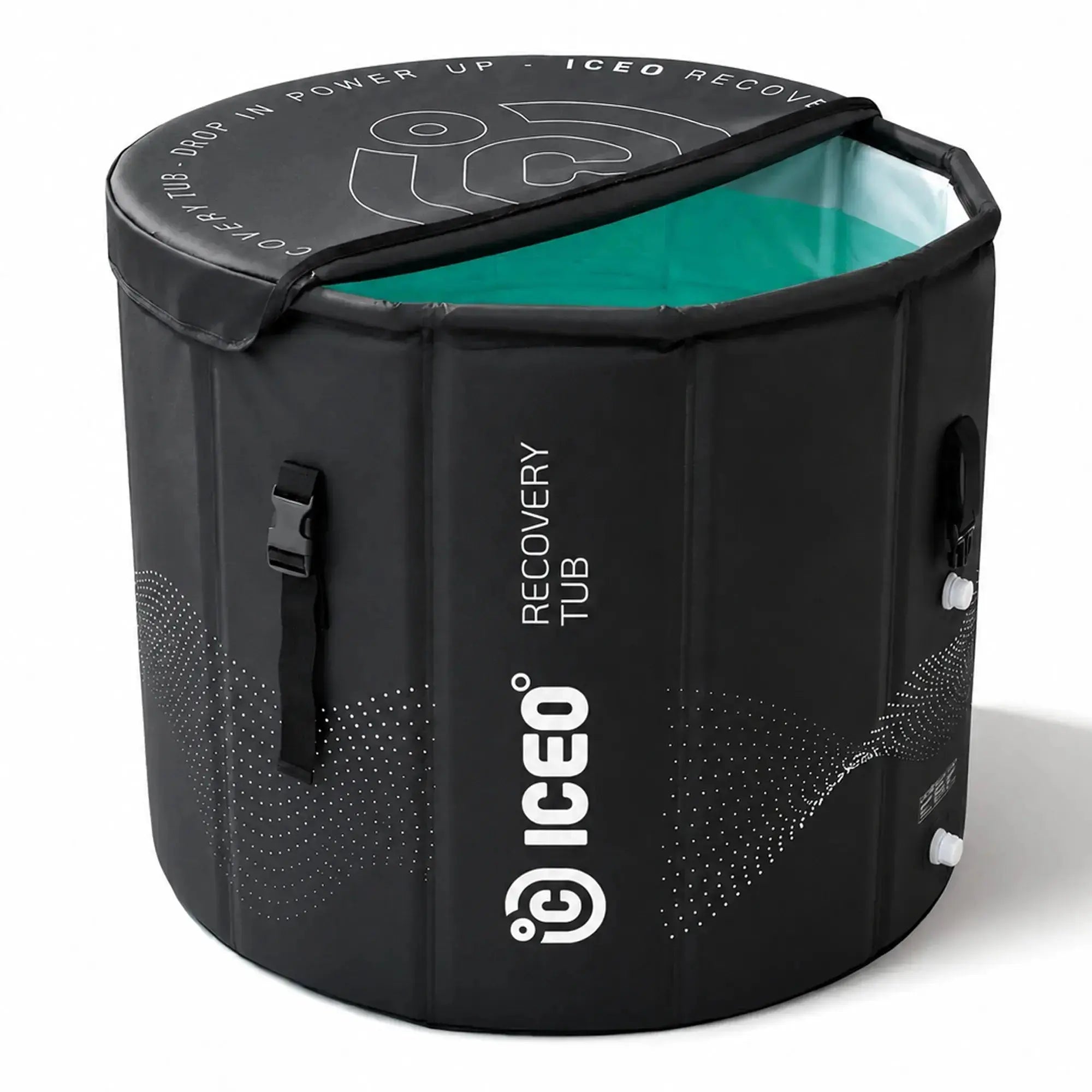
ICEO Recovery Bath PRO – Ice Bath with Chiller
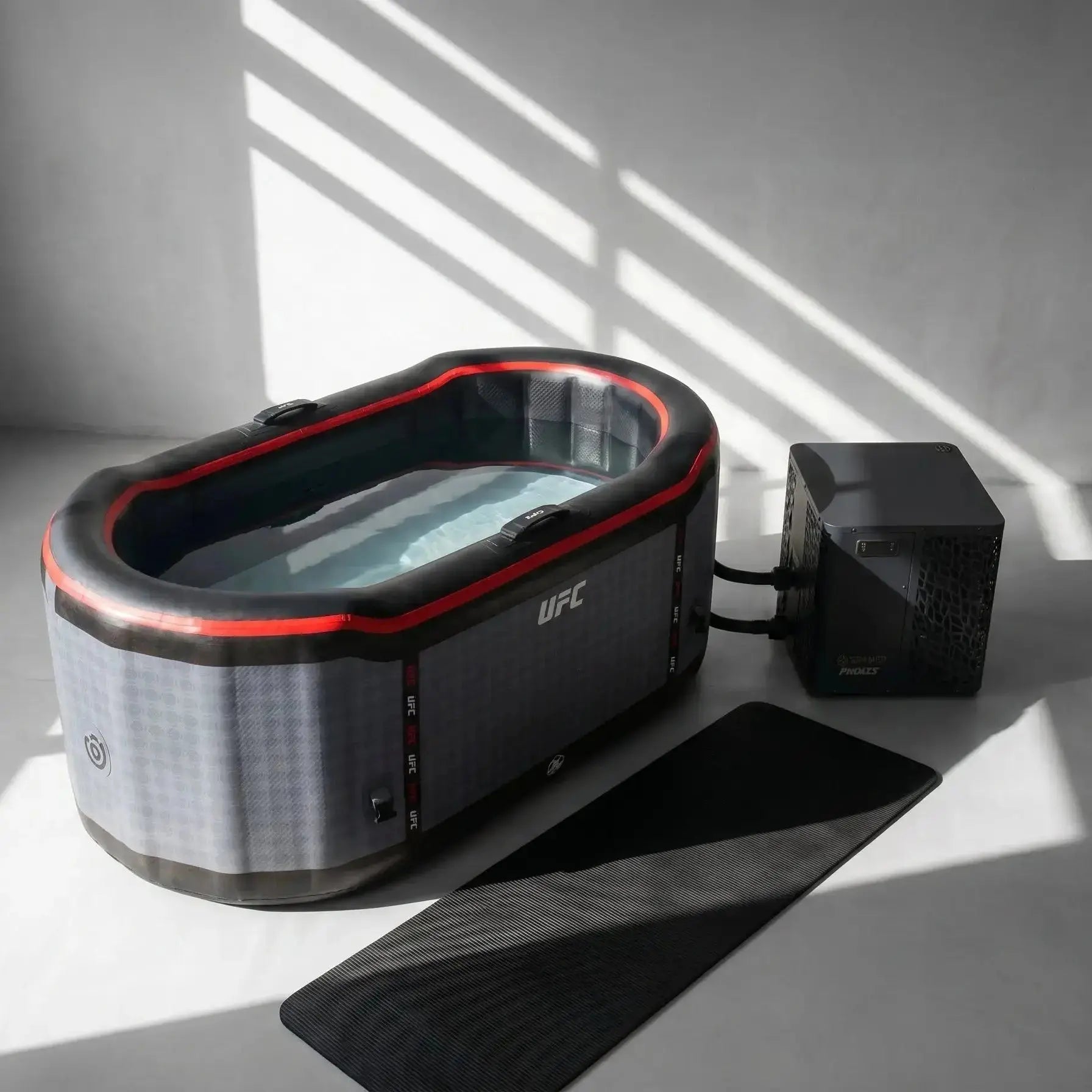
ICEO Recovery Bath UFC – Ice Bath for Athletes
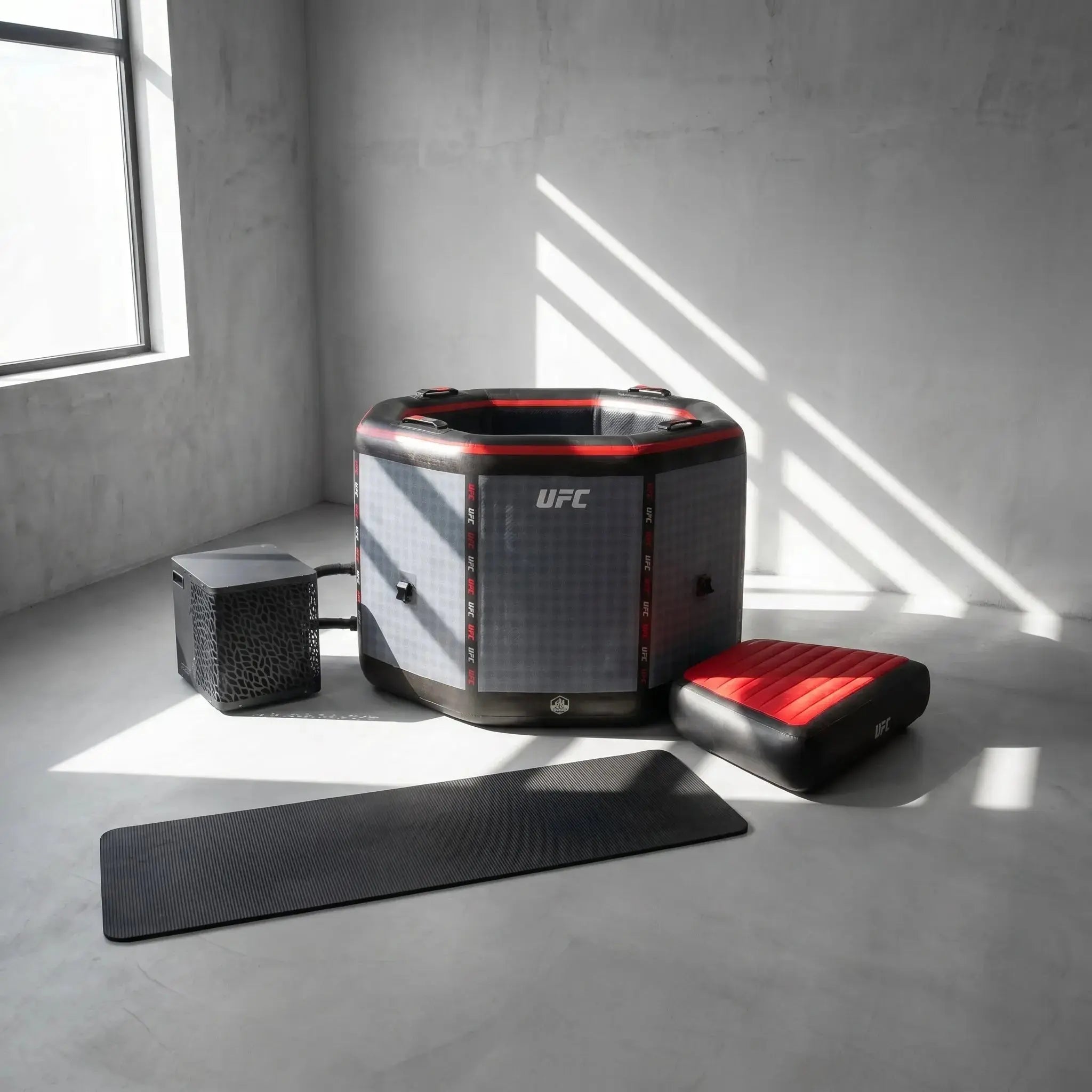
ICEO Recovery Octagon UFC – Ice Bath for Athletes
science
WHAT COLD WATER THERAPY DOES TO YOUR BODY
As soon as you step into the cold water, your blood vessels narrow and blood flows to your core. When you step out, circulation picks up again. At the same time, your nervous system shifts toward the parasympathetic (“rest and recovery”) state, the most clearly demonstrated effect of cold exposure in research.
Shifts your nervous system into recovery mode

Lowers your heart rate and calms your system after exercise

Exposes your body to short, manageable stress that trains your resilience

Gives an immediate boost in alertness and energy

When should you use cold water therapy?
Watch out with strength training: if you want to build muscle mass or strength, do not schedule cold water therapy right after your workout. Research suggests cold can slow muscle recovery after strength training, so save it for later in the day.
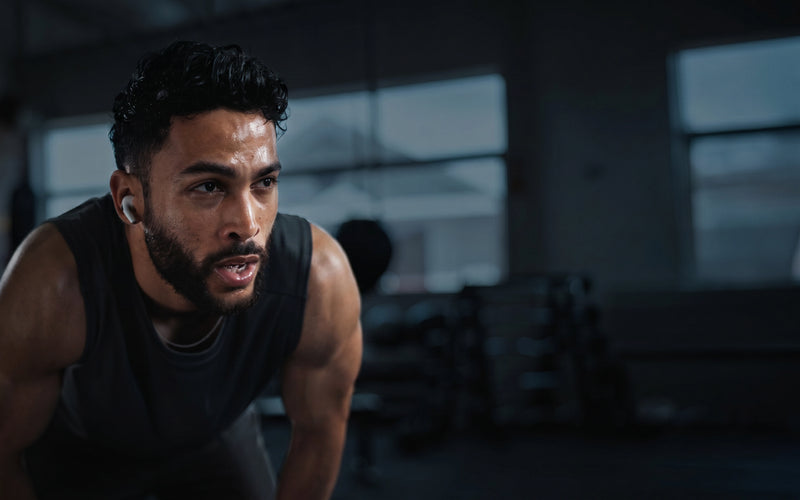
AFTER CARDIO OR A COMPETITION
To relax, calm your system and close out your recovery routine
ON A REST DAY FROM TRAINING
As a reset moment to keep your recovery going. Rest is important for recovery.
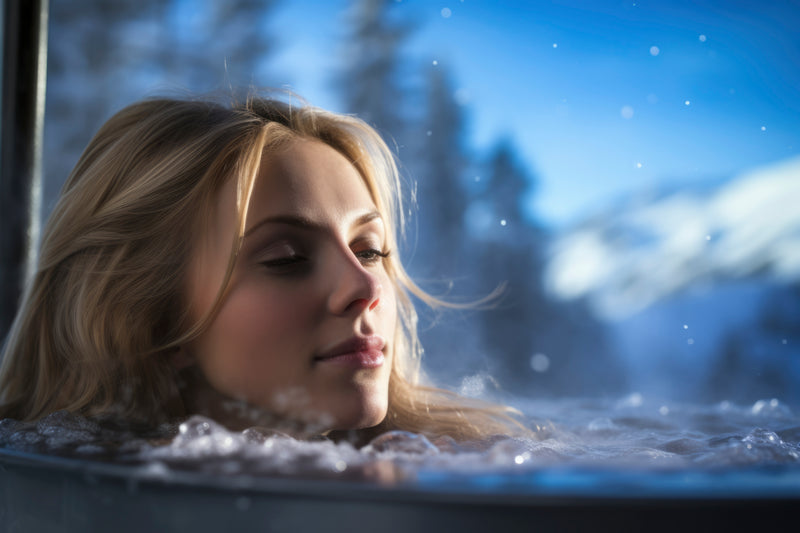
IN THE MORNING TO START YOUR DAY STRONG
For an immediate boost in alertness and energy to start your day sharp.
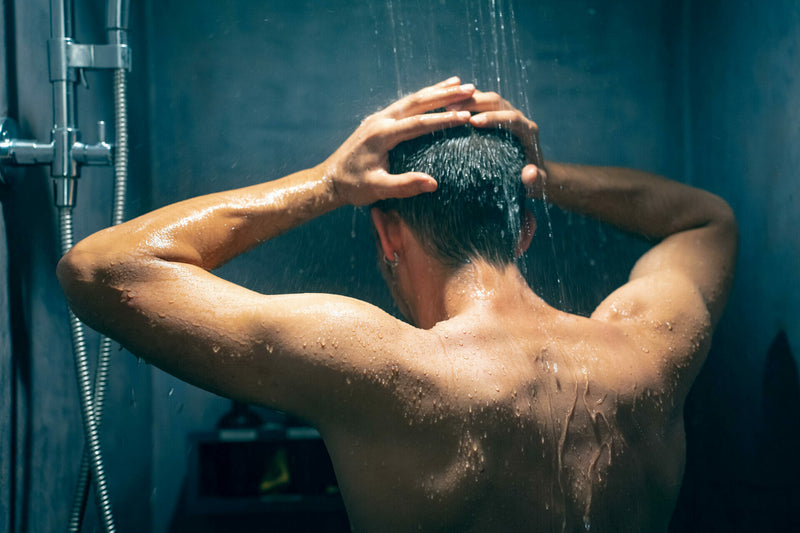
The benefits of cold water therapy

ICEO RECOVERY
AN ICE BATH AT HOME WITHOUT THE HASSLE
No bags of ice needed. An ICEO system keeps the water constantly at a cold temperature, so you can start cold water therapy whenever you are ready.
Zo bouw je koudetherapie op in vier weken
Begin met 30 tot 60 seconden in water van 10 tot 15 graden en bouw in vier weken op naar 2 tot 3 minuten op 5 tot 10 graden. Kort en koud werkt beter dan lang en lauw. Ga je te snel, dan wordt het afzien in plaats van een routine, en juist die routine maakt het verschil.
| Week | Temperatuur | Duur per keer | Keer per week |
|---|---|---|---|
| 1 | 12 tot 15 °C | 30 tot 60 seconden | 3 |
| 2 | 10 tot 12 °C | 1 tot 2 minuten | 3 tot 4 |
| 3 | 8 tot 10 °C | 2 minuten | 4 |
| 4 | 5 tot 10 °C | 2 tot 3 minuten | 4 tot 5 |
Stap rustig in tot aan je schouders, houd je ademhaling laag en langzaam, en kom eruit zodra je stevig gaat rillen of je handen en voeten gevoelloos worden. Voel je je niet goed, stap er dan uit. Heb je hart- of vaatklachten, een hoge bloeddruk of ben je zwanger, overleg dan eerst met je arts.
Koude douche of ijsbad: waar begin je?
Begin onder de douche. Zet de kraan de laatste 30 seconden van je gewone douche op koud en bouw in twee weken op naar 2 minuten. Dat kost je niets, je kunt het morgenochtend doen, en het is de eerlijkste test of je de kou volhoudt. Een ijsbad is de stap daarna: daar bepaal jij de temperatuur en de tijd, en dat is precies wat een douche niet kan.
| Wat je vergelijkt | Koude douche | IJsbad |
|---|---|---|
| Temperatuur | 10 tot 18 °C, afhankelijk van het seizoen | 2 tot 15 °C, door jou ingesteld |
| Controle | geen, de leidingtemperatuur bepaalt het | volledig, met ijs of een koeler |
| Kosten | niets extra | 95 tot 1.495 euro bij ons |
| Waar het goed in is | wennen aan kou, je ademhaling leren sturen, dagelijkse routine | herstel na inspanning, een vaste temperatuur, langere sessies |
Is koud afdouchen gezond? Voor de meeste gezonde mensen is het prima, en het is de rustigste manier om te beginnen, want je stapt er elk moment uit. De reactie is dezelfde als in een bad: je bloedvaten trekken samen, je ademhaling schiet omhoog en je oefent om hem weer laag te krijgen. Wat je op de douche mist is bereik, want de koude kraan komt in de zomer zelden onder de 15 graden. Wil je de twee uitgebreider naast elkaar zien, lees dan ijsbad tegenover koude douches.
Hoe koud en hoe lang, afhankelijk van je doel
Er is niet één juiste temperatuur. Waar je op uitkomt hangt af van wat je wilt bereiken en van hoeveel ervaring je al hebt.
| Doel | Temperatuur | Duur | Beste moment |
|---|---|---|---|
| Herstel na cardio of een wedstrijd | 10 tot 15 °C | 5 tot 10 minuten | binnen een paar uur na de inspanning |
| Scherpte en energie | 5 tot 10 °C | 1 tot 3 minuten | in de ochtend |
| Ontspannen en afschakelen | 10 tot 15 °C | 3 tot 5 minuten | aan het eind van de dag |
| Rondom krachttraining | niet direct erna | 2 tot 3 minuten | later op de dag of op een rustdag |
Die laatste regel is de belangrijkste nuance van dit hele onderwerp. Wil je spiermassa of kracht opbouwen, plan de kou dan niet vlak na je krachttraining. Onderzoek wijst erop dat kou het spierherstel na krachttraining kan remmen. Voor herstel na cardio, een wedstrijd of een zware werkdag geldt dat bezwaar niet.
Koudetherapie, cryotherapie en koude training: wat is het verschil?
Koudetherapie is de verzamelnaam voor bewuste blootstelling aan koud water. Cryotherapie is iets anders: daar sta je twee tot drie minuten in een cabine met koude lucht van rond de min 110 tot min 140 graden. Koude training is geen aparte methode maar de term die je in het Nederlands vaak tegenkomt voor hetzelfde idee: regelmatig oefenen met kou, meestal samen met je ademhaling.
| Wat je vergelijkt | Koudetherapie, koud water | Cryotherapie, koude lucht |
|---|---|---|
| Temperatuur | 2 tot 15 °C | circa min 110 tot min 140 °C |
| Duur per keer | 30 seconden tot 10 minuten | 2 tot 3 minuten |
| Waar | thuis, in je eigen bad of douche | in een studio of kliniek |
| Kosten | eenmalig het bad, daarna een paar tientjes per jaar | per sessie, telkens opnieuw |
Water geleidt warmte veel beter dan lucht, dus koud water van 5 graden voelt kouder en gaat sneller door je heen dan lucht van min 110. Het praktische verschil is groter dan het temperatuurverschil: een ijsbad staat bij je thuis en dat maakt de routine haalbaar, een cabine boek je per keer. De volledige vergelijking staat in ijsbad tegenover cryotherapie.
Wat je nodig hebt om thuis te beginnen
Drie dingen: een bad, een manier om het water koud te krijgen en ongeveer tien minuten onderhoud per week. De rest is nice to have.
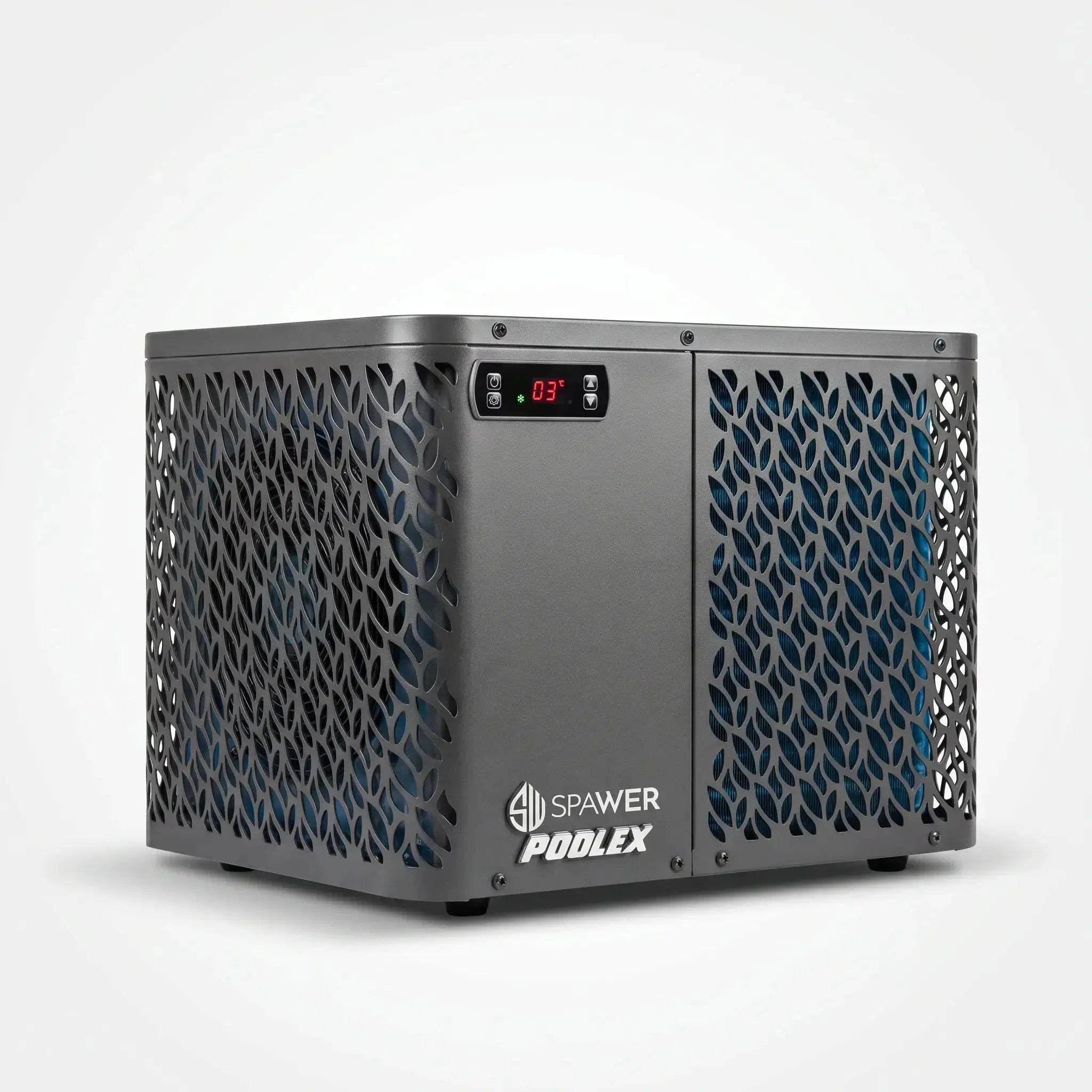
IJs of een koeler
Als vuistregel verlaagt 1 kilo ijs per 100 liter water de temperatuur met ongeveer 1 graad. In de zomer begint je water rond de 20 graden, in de winter rond de 10, dus je hebt in de zomer al snel twee tot drie keer zoveel ijs nodig.
| Inhoud | IJs in de zomer | IJs in de winter | Kosten per zomerse sessie |
|---|---|---|---|
| 180 liter | circa 23 kilo | circa 9 kilo | 18 tot 26 euro |
| 300 liter | circa 40 kilo | circa 15 kilo | 30 tot 45 euro |
| 400 liter | circa 52 kilo | circa 20 kilo | 40 tot 58 euro |
Daar zit het echte kantelpunt. Bij ons scheelt een set zonder koeler en een set met koeler 600 tot 700 euro. Bij een bad van 300 liter heb je dat verschil na ongeveer 16 tot 23 zomerse sessies terugverdiend, en dan hoef je nooit meer zakken ijs te sjouwen. Een koeler zelf is goedkoop in gebruik: bij een tarief van 30 cent per kWh kost afkoelen naar 5 graden 60 cent tot 1,50 euro per keer, en het water op temperatuur houden 15 tot 60 cent per dag. Je eigen tarief reken je door met de stroomverbruik-calculator.
Welk bad past bij jou
Wil je eerst weten of koudetherapie iets voor je is, dan begin je met de ICEO Recovery Tub van 95 euro: 180 liter, 80 cm doorsnede en 65 cm hoog, klaar in een paar minuten. Wil je het meteen serieus aanpakken, dan is de Recovery Barrel Pro onze goedkoopste complete set met koeler voor 1.195 euro, of 595 euro als los bad. Heb je al een bad en wil je alleen van het ijs af, dan zet je er de O'Spa Flow koeler van 745 euro bij, die koelt tot 2 graden en verwarmt tot 42. Twijfel je tussen modellen, lees dan de gids ijsbad met koeler kopen of bekijk alle ijsbaden.
Vijf fouten die je routine in de weg zitten
- Te koud beginnen. Wie in week één meteen op 5 graden duikt, houdt het zelden vol. Begin op 12 tot 15 graden en laat je lichaam wennen.
- Te lang blijven zitten. Langer is niet beter. Boven de vijf minuten koelt je lichaam verder af zonder dat je er meer voor terugkrijgt.
- Je adem forceren. De eerste reactie op kou is happen naar lucht. Rustig en lang uitademen is het enige wat je hoeft te doen, en dat is meteen het halve werk.
- Direct onder de hete douche. Laat je lichaam eerst zelf opwarmen: droge kleren aan, even bewegen, iets warms drinken. Dat voelt beter en is rustiger voor je systeem.
- Het water verwaarlozen. Een filter, wat waterbehandeling en een afdekhoes schelen je flink wat verversen. Kijk bij de ijsbad accessoires wat je nodig hebt.
Koud en warm horen bij elkaar
Koudetherapie is één pijler van herstel, warmte is de andere. Veel mensen combineren de twee: eerst de warmte in, dan het koude water in, en dat een paar keer afwisselen. Dat heet contrasttherapie en het is voor veel mensen prettiger vol te houden dan kou alleen. Lees hoe je dat opbouwt op de pagina over contrasttherapie, kijk wat warmtetherapie doet, of bekijk de infraroodcabines die je binnen kwijt kunt zonder bouwkundige aanpassing.
Warm of koud voor je spieren? Kort na een zware inspanning is koud water het logische middel: het kalmeert je systeem en het voelt direct prettiger. Bij stijve of vermoeide spieren zonder acute belasting kiezen de meeste mensen juist warmte, omdat die de doorbloeding aanjaagt en spieren losser maakt. Wissel je de twee af, dan zit je in de contrastroutine, en dat is voor veel mensen de prettigste manier om allebei vol te houden.
Frequently asked questions about cold water therapy
Is cold water therapy safe for beginners?
For most healthy people, yes, as long as you build up gradually. Start short (30-60 seconds) and increase slowly. Do you have cardiovascular issues or are you pregnant? Talk to your doctor first, since cold water briefly raises your blood pressure.
How cold and how long?
Research usually uses water between 2 °C and 15 °C and sessions from half a minute to a few minutes. Shorter and colder seems more effective than long and lukewarm. Listen to your body.
Before or after exercise?
For recovery and relaxation: great after cardio or a competition. Want to build muscle mass? Then do not do it right after strength training, but later in the day.
How much maintenance does an ice bath need?
With a built-in filter and cooling system, you keep the water clean and at temperature with minimal maintenance.
Not sure which ice bath suits you?
Use the selection guide or get in touch. We are happy to help you figure out what fits your space and routine.
Sources
The information on this page is based on scientific research into cold water therapy:
- Cain T. et al. (2025). Effects of cold-water immersion on health and wellbeing: a systematic review and meta-analysis. PLOS One.
- Jdidi H. et al. (2024). The effects of cold exposure on cardiovascular and cardiac autonomic control responses in healthy individuals. Journal of Thermal Biology.
- Kunutsor S.K. et al. (2025). The untapped potential of cold water therapy as part of a lifestyle intervention for promoting healthy aging. GeroScience.